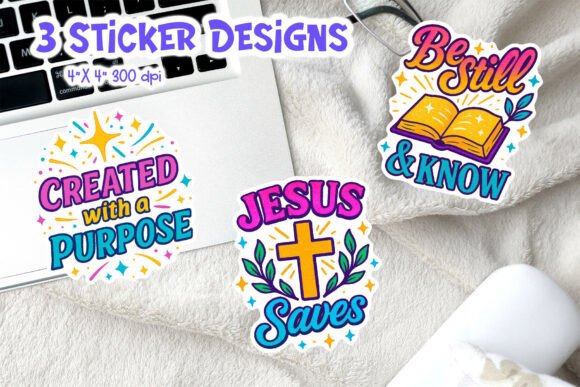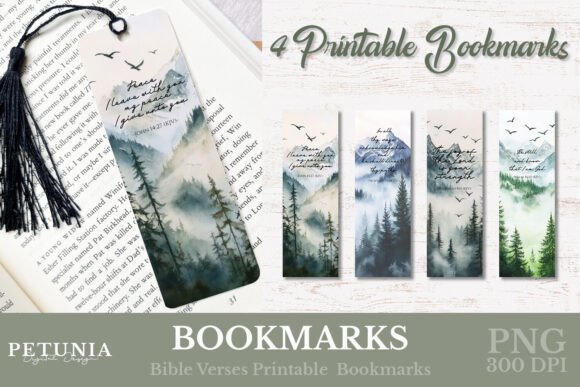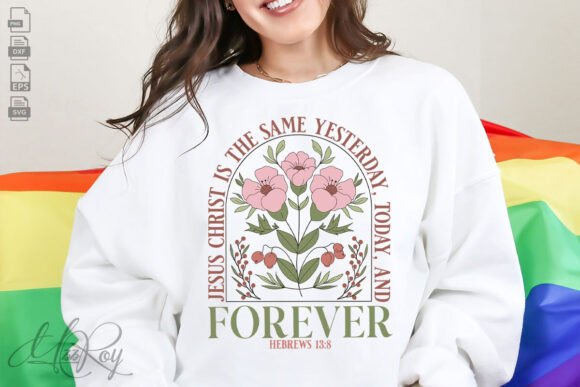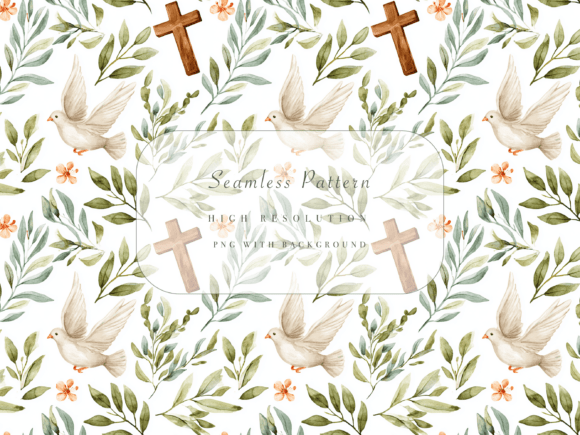
Christian Pattern Seamless
A Designer’s First Glance: Quiet Confidence, Not Clutter
Opening Christian Pattern Seamless for the first time, I didn’t see religious iconography shouting for attention—I saw rhythm. The layout breathes: balanced negative space, soft curves, and a subtle repetition that feels intentional, not repetitive. It’s not a bold statement piece meant for chest placement on a varsity jacket; it’s the kind of embroidery design that belongs on the corner of a linen tea towel, the hem of a baby blanket, or the pocket of an apron worn daily in a small-batch bakery. The mood is grounded, reverent without being stiff—ideal for handmade products where warmth and sincerity matter more than flash.
Real Project Test: Embroidering a Linen Tote for a Local Boutique
Last week, I used Christian Pattern Seamless to embroider a set of medium-weight natural linen tote bags for a faith-based artisan boutique. These weren’t one-offs—they were inventory pieces, priced at $48, meant to hold groceries, library books, and quiet intention. I chose a 4” hoop, medium tear-away stabilizer (plus light cut-away backing for structure), and matte cotton thread in charcoal and oat. What stood out immediately was how gracefully the design scaled: no jagged edges, no lost detail in the inner flourishes—even at 3.8”, the continuity held. Customers commented on how “calm” and “thoughtful” the stitching looked—not just decorative, but *considered*. That’s the quiet strength of this pattern: it elevates the finished product without competing with the fabric’s texture or the user’s everyday life.
Where It Shines—and Where to Pause
Christian Pattern Seamless excels on stable, medium-to-heavy fabrics: canvas totes, cotton sweatshirts, denim jackets, linen pillow covers, and unbleached muslin baby blankets. Its seamless flow makes it ideal for curved surfaces like cap fronts or rolled tea towel hems—no awkward breaks or forced alignment. As a machine embroidery design, it handles fill stitch areas evenly, with moderate stitch density that avoids puckering on tightly woven cotton or midweight fleece.
That said, proceed with care on:
- Thin or highly stretchy fabrics (like lightweight jersey or rayon challis)—the design’s gentle flow relies on stability; without proper stabilizer, satin-stitch elements may distort;
- Dark or heavily textured backgrounds—fine interior lines can recede; test contrast with your thread colors before committing to a full run;
- Small hoop sizes under 3”—while scalable, some delicate junctions tighten up noticeably below that threshold, risking loss of definition;
- Layered garments (e.g., embroidered patches sewn onto quilted jackets)—verify that stitch height won’t catch on seams or zippers during wear.
More Than a Motif: How It Shapes Perception
For Etsy sellers and craft business owners, Christian Pattern Seamless isn’t just another digital embroidery file—it’s a trust signal. When stitched cleanly on a personalized baby onesie or a wedding weekend tote, it communicates care, consistency, and quiet conviction. Buyers don’t just see a symbol; they feel intention behind the stitch. That translates directly to perceived value: customers pay more for items where design and execution feel harmonious, not slapped on. In boutique branding, it supports cohesion across product lines—imagine it repeated subtly on kitchen towels, napkin sets, and matching aprons. No logo needed. The pattern itself becomes the signature.
Practical Notes from the Hoop
Before using Christian Pattern Seamless in your next embroidery project, here’s what I always do—and recommend you do too:
- Test on scrap fabric first, using your exact stabilizer combo and thread—linen behaves differently than cotton duck, and fleece hides density issues until it’s too late;
- Review stitch density visually in your editing software—look for dense clusters that might cause stiffness or wear points on high-use items like tote straps or baby bibs;
- Check small details at actual size: zoom in on corners and inner loops—do they resolve cleanly? If not, a slight manual cleanup in your editor may be worth the time;
- Mock it up in black and white on both light and dark fabric swatches—this reveals contrast gaps no color preview catches;
- Confirm licensing terms before selling finished products or bundling the file into digital embroidery kits—commercial use rights vary widely across Patterns categories, and clarity here protects your craft business long term;
- Use appropriate stabilizer: medium tear-away for stable cottons, cut-away + topping for knits or napped fabrics, and always test wash one sample item to assess thread security and fabric drape after laundering.
Fitting Into Real Creative Workflows
As a designer who splits time between client work and my own small shop, Christian Pattern Seamless fits seamlessly (pun intended) into multiple roles: a refined applique design for nursery decor, a subtle running-stitch border for holiday embroidery on kitchen linens, or a focal point for custom apparel when paired with minimalist typography. It works well in printable mockups—clean lines translate clearly to digital previews—so Etsy sellers can showcase it confidently without over-editing. For those building design assets for resale, its versatility across categories (tote bag design, sweatshirt embroidery, baby embroidery, holiday embroidery) means one thoughtful purchase supports many seasonal and evergreen offerings.
Final Thought: A Pattern That Respects the Hand and the Heart
In a landscape crowded with loud, trend-driven motifs, Christian Pattern Seamless stands out by honoring restraint. It doesn’t demand attention—it invites pause. Used well, it deepens the story of a handmade product, strengthens brand voice for small shops, and adds quiet meaning to personalized gifts. It’s not flashy—but then, the most trusted embroidery files rarely are. They’re the ones you reach for again, not because they’re easy, but because they’re true.