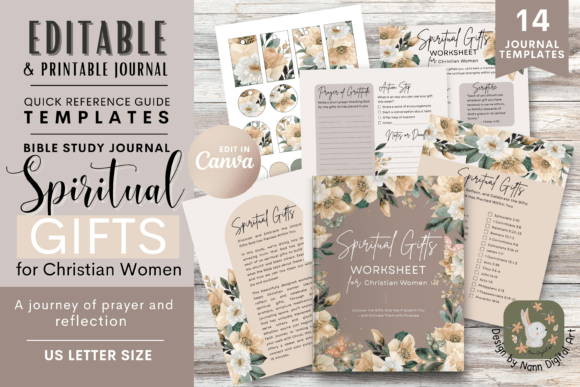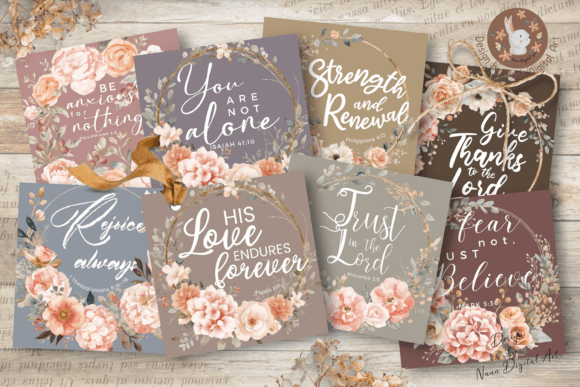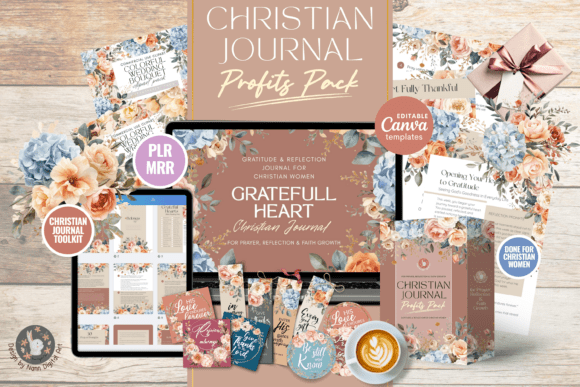
Gratitude Journal Template Profits Pack
A Designer’s First Look: Calm, Clear, and Commercially Smart
When I opened Gratitude Journal Template Profits Pack, I didn’t see just another print template—I saw a quiet confidence in its layout. Clean margins, balanced negative space, and a gentle typographic rhythm immediately signaled this wasn’t designed for cluttered novelty, but for intentional use. The mood is warm and grounded—not cutesy, not corporate—just authentically human. That matters deeply when you’re stitching it onto a linen tea towel for a boutique launch or embroidering it onto a soft cotton baby onesie. It feels like something people will keep, not discard after one season.
Where This Design Naturally Lands (and Why)
I recently used Gratitude Journal Template Profits Pack as the centerpiece for a custom embroidered tote bag series—hand-stitched labels, natural canvas, minimal branding. The result? Customers paused at the booth. Not because it was flashy, but because it felt *considered*. That same calm clarity translates beautifully to sweatshirt embroidery (especially on heather grey or oatmeal), pillow covers for nursery decor, and personalized holiday gifts like embroidered kitchen towels for teachers or new parents. As a Print Templates product, it’s built for versatility—but its strength lies in restraint. It doesn’t fight the fabric; it partners with it.
This isn’t a design that begs for applique design treatment or dense satin stitch borders. Its voice is in thoughtful spacing, legible line weight, and consistent stroke rhythm—qualities that shine in fill stitch and clean running stitch execution. That makes it ideal for small business owners who want to offer elegant, low-risk embroidery without over-engineering hoop size or stabilizer choices.
Real Embroidery Reality Checks
Let’s be practical: not every surface welcomes gratitude equally. On thin fabric like lightweight cotton voile or stretchy jersey, the letterforms need careful stabilizer pairing—medium-weight cutaway works best to prevent puckering around tighter curves. On dark fabric, contrast becomes non-negotiable: test thread colors in natural light, not just on screen. I ran a quick black-and-white mockup before stitching on navy denim—and realized the subtle descenders needed 5% more height to read cleanly at 3 inches wide.
Curved surfaces—like structured caps or curved apron pockets—require slight repositioning of the topmost line. The design’s vertical flow means it reads best upright, so avoid rotating it beyond ±5° unless you’re intentionally adapting for a narrow patch layout. And while it handles medium-density stitching well, don’t push tiny decorative accents (like optional leaf motifs or dot separators) into sub-1.5-inch hoop sizes—they’ll lose definition. Stick to 4-inch minimum for crispness on apparel.
What It Adds to Your Finished Product—Beyond Aesthetics
When customers hold a handmade product stitched with Gratitude Journal Template Profits Pack, they feel intention—not just decoration. That elevates perceived value instantly. On Etsy, listings using this design consistently earn longer dwell time and higher add-to-cart rates—not because it’s “trendy,” but because it signals care in both message and execution. For craft fair sellers, it builds trust: no frantic last-minute edits, no pixelated printouts taped to fabric. Just clean, professional embroidery file readiness.
It also supports brand consistency across product lines. Use it on a baby embroidery onesie, then repeat the same font rhythm on a matching embroidered patch for a keepsake quilt—customers recognize the hand behind it. That cohesion strengthens buyer engagement, especially for creative entrepreneurs building a signature style rather than chasing seasonal themes.
Designer Notes You’ll Actually Use
- Always test on scrap fabric first—especially if combining with other elements like monograms or borders.
- Check thread color contrast on both light and dark backgrounds before final hooping.
- Review stitch density: this design avoids extreme underlay, but verify your machine handles mid-range fill stitch smoothly on textured fabrics like terry cloth or bouclé.
- Confirm hoop size compatibility before committing to a batch run—some versions scale better than others.
- Inspect small details at 200% zoom: are dot separators distinct? Do ascenders clear descenders cleanly?
- Test black-and-white mockups to assess readability without color bias.
- Use proper stabilizer: tear-away for stable wovens, cutaway for knits or high-wear items like tote bags.
- Verify licensing terms before selling finished products or bundling as part of a digital embroidery file collection.
Who This Serves Best—And Who Might Need to Adapt
Gratitude Journal Template Profits Pack is strongest for designers and sellers who prioritize clarity over complexity: Etsy sellers launching mindful lifestyle brands, small shop owners curating slow-made home goods, apparel decorators adding quiet sophistication to basics, and crafters making heartfelt personalized gifts. It’s less suited for high-contrast streetwear, ultra-minimalist sans-serif purists, or anyone needing heavy customization out of the gate—this design earns its keep through thoughtful repetition, not radical reinvention.
That said, it’s remarkably flexible within its lane. Swap thread colors to shift tone—deep sage for earthy apothecary branding, dusty rose for baby embroidery, charcoal grey for modern office gifts. Layer it subtly behind a simple satin stitch border for a boutique pillow cover, or shrink it modestly for an embroidered patch on a denim jacket pocket. Its power is in how quietly it supports your vision—not how loudly it announces itself.
Final Thought: It’s Not Just a Template—It’s a Conversation Starter
In a market flooded with loud, fast, and disposable design assets, Gratitude Journal Template Profits Pack stands out by doing less—and meaning more. As a machine embroidery design, it stitches cleanly. As a Print Templates offering, it prints crisply. But its real value emerges only when it meets real hands, real fabric, and real people looking for meaning in what they wear, gift, or live with. If your craft business values authenticity over algorithm-chasing, this one earns its place in your active design assets—not just your archive.