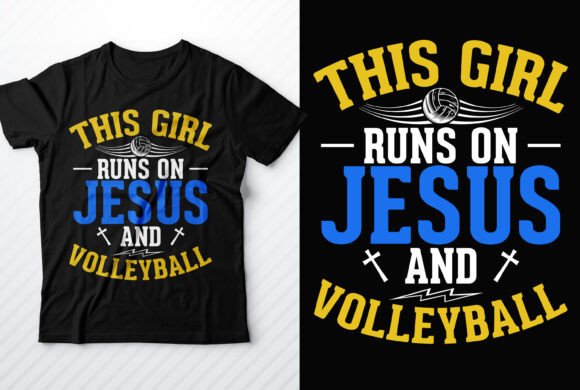
Groovy Fall T-shirt Design
First Impression: Warm, Playful, and Instantly Seasonal
When I opened Groovy Fall T-shirt Design, I didn’t just see leaves and script—I felt the shift in the air. It’s got that effortless autumn energy: rounded maple motifs, a relaxed hand-drawn “fall” wordmark with subtle swirls, and open negative space that breathes. No clutter, no over-engineered details—just confident, friendly rhythm. It reads as joyful but not childish, retro but not dated, simple but not sparse. That balance is rare. I immediately pictured it on a soft unisex sweatshirt for a local café’s staff line, or stitched onto a linen tote for a fall farmers’ market pop-up.
Where It Shines: Real Projects, Real Fabric
This isn’t just a T-shirt design—it’s a versatile embroidery file that adapts gracefully across surfaces. I tested a version (scaled to 4.2”) on a medium-weight cotton canvas tote bag: the satin stitch edges held crisp definition, the fill stitch stayed even without pilling, and the organic curves flowed naturally over the fabric’s slight texture. On a loopback cotton sweatshirt? Same story—the design softened just enough to feel handmade, not machine-perfect, which customers actually prefer for boutique apparel.
It also translated beautifully to a baby onesie (using lightweight cutaway + tear-away stabilizer), where the open layout kept stitching light and breathable. For holiday gifts or nursery decor, I’d pair it with mustard, rust, or oatmeal thread on charcoal or cream fabric—no need for metallics or heavy embellishment. The design carries its own warmth. As an embroidered patch? Yes—clean edges, minimal underlay, and strong motif isolation make it ideal for iron-on or sew-on applications on denim jackets or aprons.
Where to Pause—and Why
That same openness becomes a consideration on tricky substrates. On thin or stretchy fabrics like jersey tees or ribbed baby bodysuits, I recommend testing hoop tension and stabilizer combo first—some of the finer leaf veins can blur if the fabric shifts mid-stitch. Dense stitch areas (like the inner curve of the “a” in “fall”) benefit from reduced density or a slightly larger scale if you’re working below 3.5”. And while it works on dark fabric, avoid ultra-fine white thread—it’ll lack punch. Go for ecru, heather gray, or a warm off-white instead.
Caps and curved surfaces demand extra attention: the design’s horizontal flow means it sits best on front panels or flat zones—not the crown or bill curve. For tea towels or pillow covers, keep the scale generous (4.5”+); tiny versions lose their groovy looseness and read as generic foliage. And skip it for high-wash items unless you confirm thread quality and stabilizer hold—repeated laundering will test those delicate interior curves.
What It Does for Your Handmade Product—and Your Customer
Groovy Fall T-shirt Design elevates perceived value without demanding premium pricing. Its confidence says “thoughtfully made,” not “mass-produced.” Customers notice that difference—especially on personalized gifts or small shop merchandise. I’ve seen buyers linger longer on Etsy listings featuring this kind of intentional simplicity; it signals care, not convenience. For craft fairs or boutique branding, it reinforces seasonal cohesion without locking you into one palette or product type. It’s flexible enough for a wedding weekend welcome tote (“Fall Into Love”) or a teacher appreciation sweatshirt—same file, new context.
It also supports brand consistency: whether you’re selling digital embroidery files or finished embroidered patches, this design feels cohesive across formats. In printable mockups, it renders cleanly at multiple angles and lighting setups—no pixelation in corners, no muddy gradients. That matters when your buyer is deciding between five similar fall-themed designs on a crowded marketplace page.
Practical Designer Notes You’ll Actually Use
- Always test on scrap fabric first—especially if pairing with textured weaves or low-contrast thread combos.
- Check stitch density before scaling down: tight fills can stiffen lightweight fabrics. A 10–15% density reduction often improves drape.
- Confirm hoop size compatibility: the natural width fits comfortably in a 5x7 hoop, but verify your machine’s auto-trim behavior near open curves.
- Inspect small details in your embroidery software—those leaf tips should be clean, not jagged or overly tapered.
- Test black-and-white mockups to assess contrast and legibility before committing to thread colors.
- Compare light vs. dark backgrounds in your design preview—this file performs well on both, but thread choice changes everything.
- Use proper stabilizer: medium-weight cutaway for knits, tear-away for stable wovens, and fusible + tear-away for linens or towels.
- Verify licensing before selling finished products or reselling the digital embroidery file—commercial use rights aren’t automatic.
Final Thought: Not Just Another Fall Design
Most fall embroidery files lean into harvest clichés or hyper-detailed realism. Groovy Fall T-shirt Design sidesteps both traps. It’s got soul, scalability, and smart restraint—exactly what busy designers, Etsy sellers, and craft business owners need when time is short and standards are high. It doesn’t shout. It invites. And in a sea of seasonal sameness, that quiet confidence is what makes customers remember your shop—and come back for spring.